
Water heaters are an essential component of modern households, supplying the warm comfort and convenience we often take for granted. However, like any home appliance, they have a limited lifespan and may require replacement over time. Recognizing when it’s time to replace your water heater can save you from the discomfort of cold showers, high energy bills, and potential water damage. In this article, we will explore the telltale signs that your water heater is on its last legs and discuss the factors that influence this crucial decision.
Signs Your Water Heater Needs Replacement
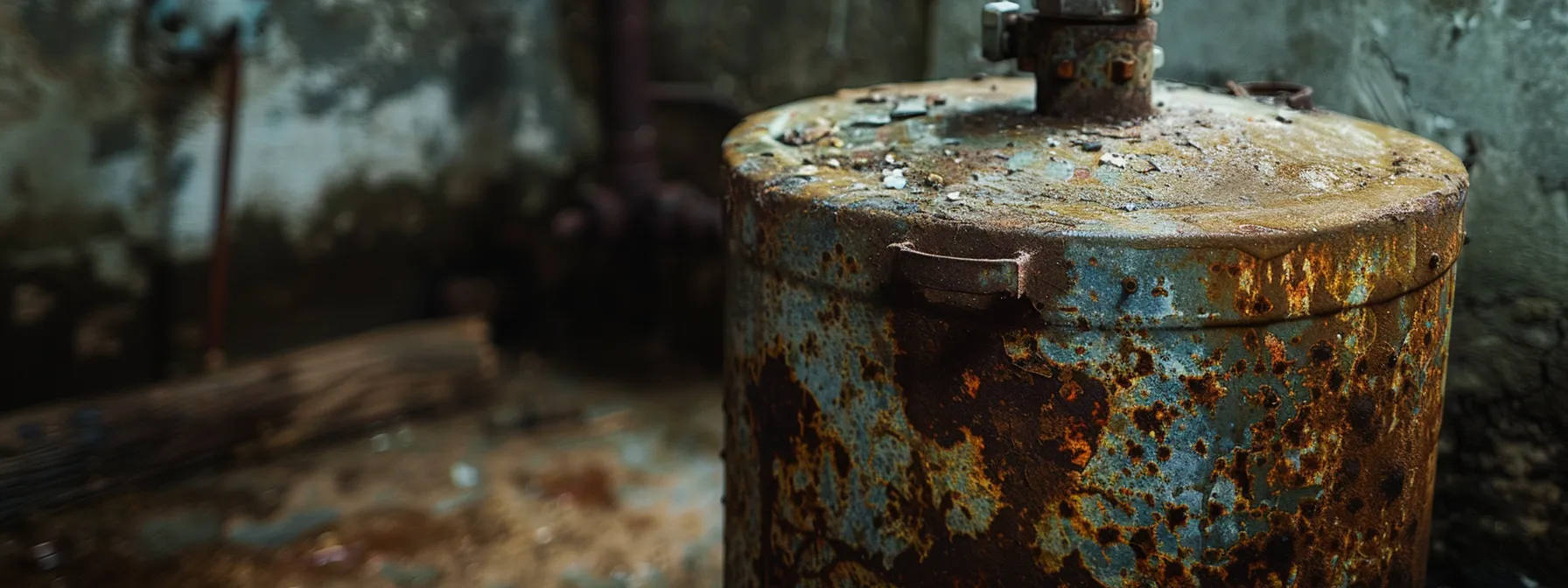
One of the most obvious signs that your water heater needs replacing is a significant decrease in water temperature or a complete lack of hot water. This could be caused by a failed heating element or a build-up of sediment that insulates the water from the heating source. Keep an eye out for water discoloration or an unusual taste, which may indicate rust or corrosion inside the tank.
Noises such as rumbling or banging from your water heater can signify a buildup of sediment. Over time, sediment hardens, causing your heater to work harder to heat the water, potentially leading to cracks and leaks. Visible signs of wear, such as rust on the tank or dampness around the appliance, are strong indicators of the need for a replacement.
Furthermore, consider the age of your water heater. If it’s nearing the end of its expected lifespan—typically around 10 years—and you’re noticing problems, it may be more cost-effective to replace rather than repair it. If you’re unsure about the state of your current equipment and need professional advice, exploring water heater installation in Boise, ID by Magic Electric, Plumbing, Heating & Air might be your next step.
Evaluating Water Heater Performance and Efficiency Loss
Evaluating the performance of your water heater is crucial in determining its condition. It’s important to observe whether the hot water supply meets your household’s needs. If you notice that it takes longer for water to heat up or the temperature isn’t consistent, the heater may be losing its efficiency.
Efficiency loss in water heaters is often due to sediment build-up, which not only restricts water flow but also absorbs the heat meant for your water. This means more energy is used to achieve the same outcome, leading to an increase in energy bills. Energy efficiency ratings can decline over time as internal components wear down, making the unit costly to operate.
It’s essential to monitor your utility bills for any unexplained increases. These could be a sign that your water heater is working overtime to provide hot water, indicating that it may require servicing or replacing. Consider the environmental impact as well—older, less efficient water heaters contribute to higher energy consumption and a larger carbon footprint.
The Impact of Regular Maintenance on Water Heater Longevity
Regular maintenance is paramount in extending the life of your water heater and ensuring it operates at peak efficiency. Annual inspections by professionals can help identify and rectify potential issues before they escalate into costly repairs or necessitate a full replacement.
Maintenance tasks typically include flushing the tank to remove sediment, checking the pressure relief valve for proper operation, and inspecting the anode rod that helps prevent corrosion. Consistent upkeep not only prolongs the life of the heater but also maintains its energy efficiency, resulting in better performance and lower operating costs.
Homeowners often underestimate the benefits of routine maintenance. By having a clear maintenance schedule and adhering to it, you can often delay the need for a replacement. Small, regular investments in professional servicing can save you from the much larger expense of an emergency replacement.
Making the Decision: Repair or Replace Your Water Heater
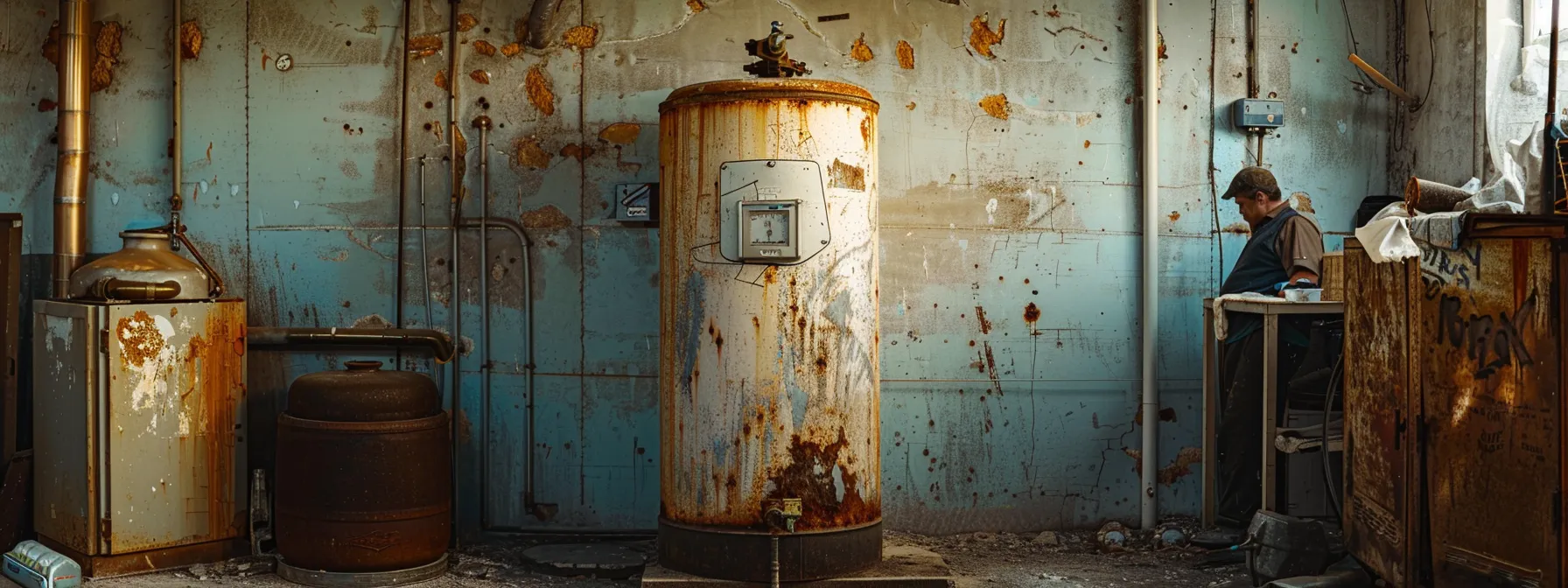
In deciding whether to repair or replace your water heater, consider factors such as age, repair cost, and the potential improvements in efficiency and performance a new model could offer. If your water heater is relatively new and the repair is minor, fixing it might be the more economical choice.
Conversely, if the unit is old and the cost of repairs approaches half the price of a new water heater, replacement might be the smarter investment. A new water heater will likely offer better energy savings and performance. Plus, today’s models are designed with the latest technology to ensure maximum efficiency and reliability.
Altogether, whether to repair or replace your water heater involves a variety of considerations, including age, efficiency, and overall performance. Attentive maintenance and staying informed about the latest water heater technologies can help you make a decision that suits your household’s needs and budget. Ultimately, keeping a reliable supply of hot water for your home is a combination of vigilant observation and timely action.


